
How to Safely and Humanely Deter Striped Skunks
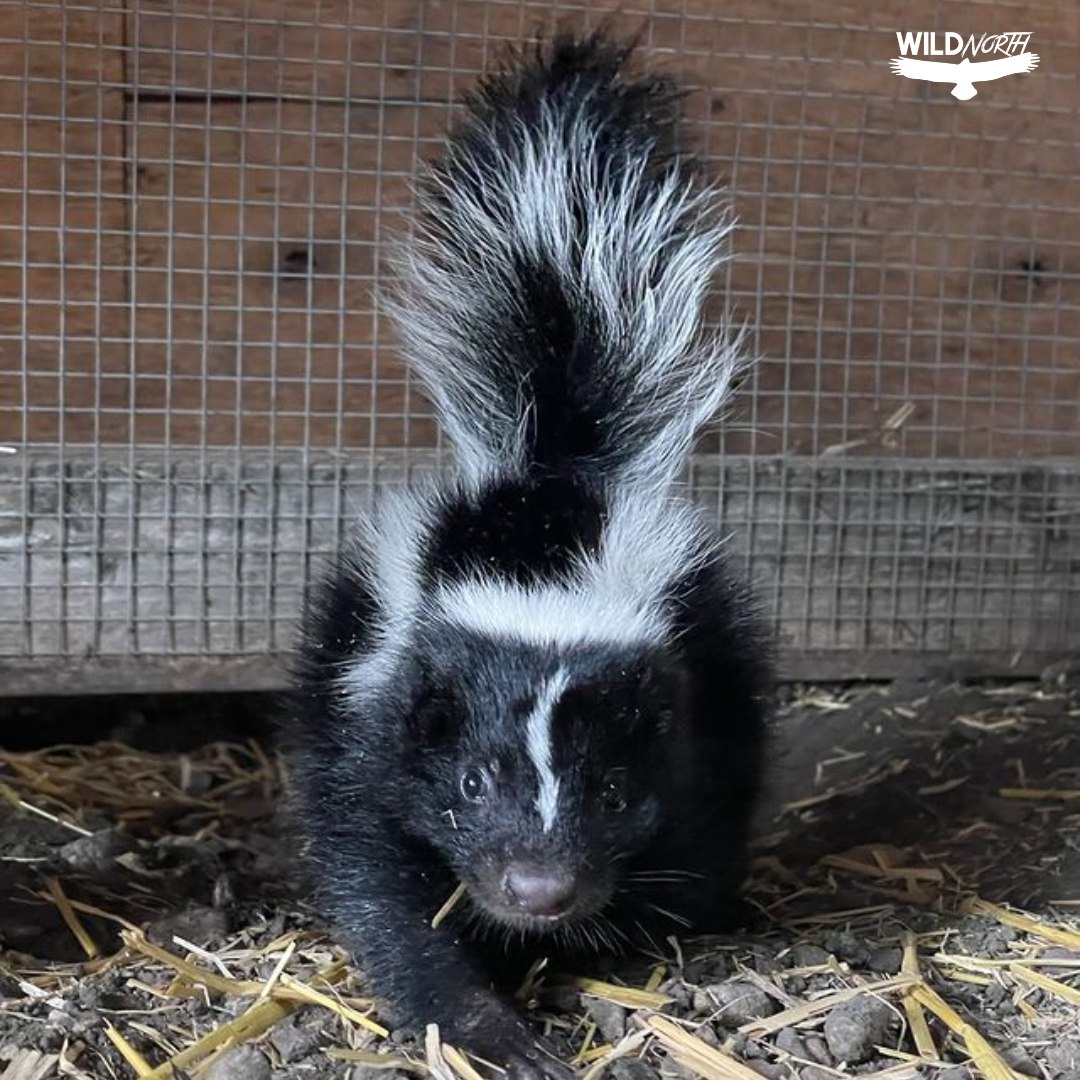
Follow these easy steps and humanely deter Striped Skunks from your area!
Step 1: Remove Attractants
Wildlife are driven by food, water, and shelter. To discourage Striped Skunks from moving in, start by identifying and removing attractants on your property.
Common attractants include:
-
Feeding pets outside (always bring in bowls after use and remove dog bones, raw hides etc.)
-
Unsecured compost, garbage or recycling bins
-
Spilled seed under bird feeders
-
Easy access under decks, sheds, or porches
-
Trees with low branches that create sheltered spaces
By reducing these attractants, your property becomes less appealing to conflict wildlife.
Step 2: Add Deterrents
Once attractants are reduced, introduce deterrents to make your property feel unsafe or uncomfortable for skunks.
Scent deterrents: To be placed around and directly inside denning areas.
-
Synthetic Coyote Urine – spray this near den entrances and areas they are frequenting, re-spray if rains or snows.
-
Dirty kitty litter – bag it, poke holes, and place near den entrances to mimic predator urine.
-
Mothballs – scatter near dens (use cautiously and out of reach of children/pets).
-
Human/pet scents – items like dirty gym socks, human hair, or pet bedding can make areas smell unsafe.
Sound deterrents:
-
Play a talk-radio or podcast at a low volume near den sites. Human voices mimic predator presence.
Light deterrents:
-
Install motion-sensitive lights near suspected dens.
-
Shine a continuous (fire-safe) light into den areas.
Step 3: Exclusion Techniques
Before sealing off a den, make sure it’s empty.
-
Check for residents: Loosely fill holes with leaves, straw, soil, or crumpled paper. If skunks are inside, they’ll push through overnight. If the material remains undisturbed for several days, the den is likely empty.
Important:
-
If skunks have babies (spring–early summer), wait until late summer when the young are independent. Closing the den too early could trap or separate them.
Once empty:
-
Seal off entrances with hardware cloth, chicken wire, or buried fencing.
-
Block gaps under decks, porches, or sheds.
Step 4: Be Patient (Sometimes Doing Nothing Is Best)
Skunks often den only temporarily. By late summer, young disperse, and the den may naturally be abandoned. If you can tolerate their presence for a short while, simply wait until they leave and then secure the space.
✅ By following these steps—Remove Attractants → Add Deterrents → Exclude Safely → Be Patient
We recognize that this is a lot to consider, but these creatures are making these decisions for a reason, and it is much more humane to have them choose to move on rather than trapping and relocating them.
If you need more advice on deterrents and exclusion, please call the Wildlife Helpline and speak to an advisor at 780-914-4118.
Resources:
https://www.humaneworld.org/en/resources/what-do-about-skunks
https://www.torontowildlifecentre.com/wildlife-emergency-rescue-hotline/conflicts-with-wildlife/common-skunk-problems/trapping-skunks/
https://www.torontowildlifecentre.com/wildlife-emergency-rescue-hotline/conflicts-with-wildlife/common-skunk-problems/skunk-living-in-your-shed-or-deck/
https://www.alberta.ca/skunks