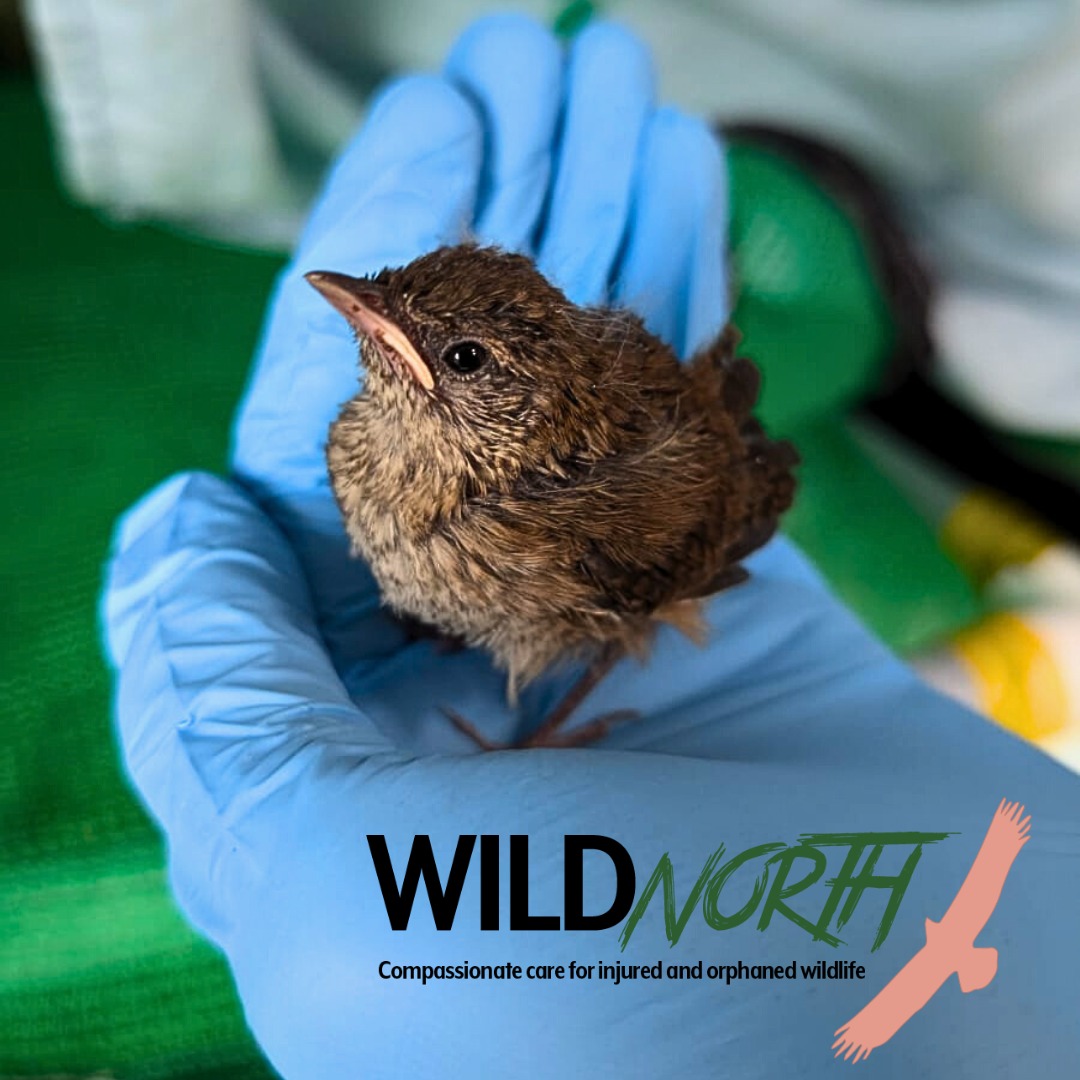
May 05, 2026 | Blog
From Hatchling to Flight: Understanding Avian Development
Written by Jillian VanKooten
Every spring and summer across Alberta, the landscape fills with the sounds of nesting birds and newly hatched chicks. At organizations like WILDNorth, this time of year is known as “baby season”, a period when wildlife rehabilitators like ourselves are busy caring for orphaned and injured birds from many native species, from American Robins and Cedar Waxwings to Black-capped Chickadees and Black-billed Magpies. Understanding how birds grow can help people make informed, compassionate decisions when they encounter young birds outdoors. While it’s natural to want to help, not every baby bird on the ground is in distress, in fact, many are right where they’re supposed to be.
The Developmental Stages of Birds
Birds go through several distinct stages as they grow, each with its own characteristics and needs.
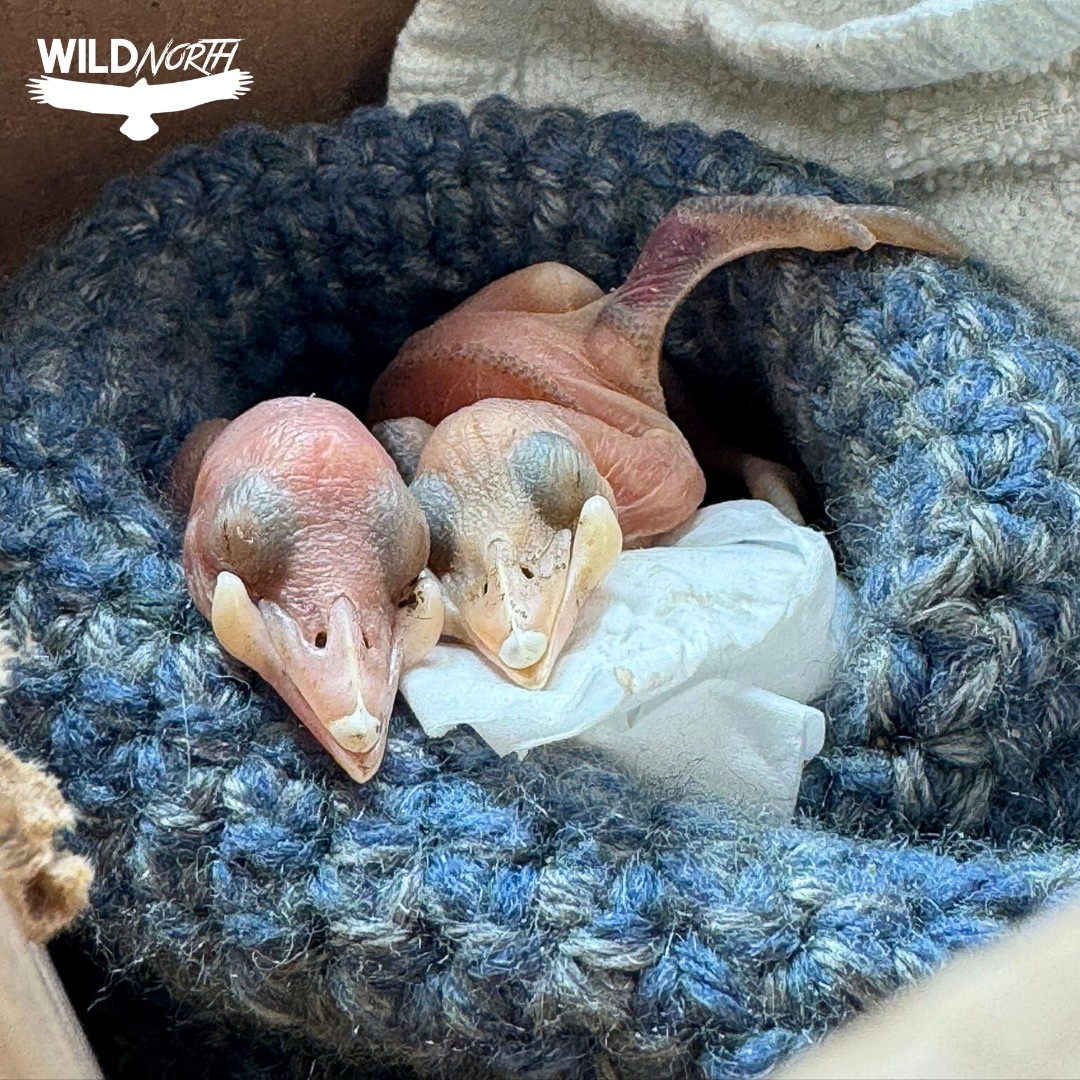
Hatchling (0–3 days)
This is the earliest stage of life. Hatchlings have just emerged from the egg and are extremely fragile. They are typically featherless, with closed eyes, and are entirely dependent on their parents—or, in rehabilitation settings, human caregivers. At facilities like WILDNorth, hatchlings may require feeding as often as every 30 minutes, highlighting just how intensive their care needs are.
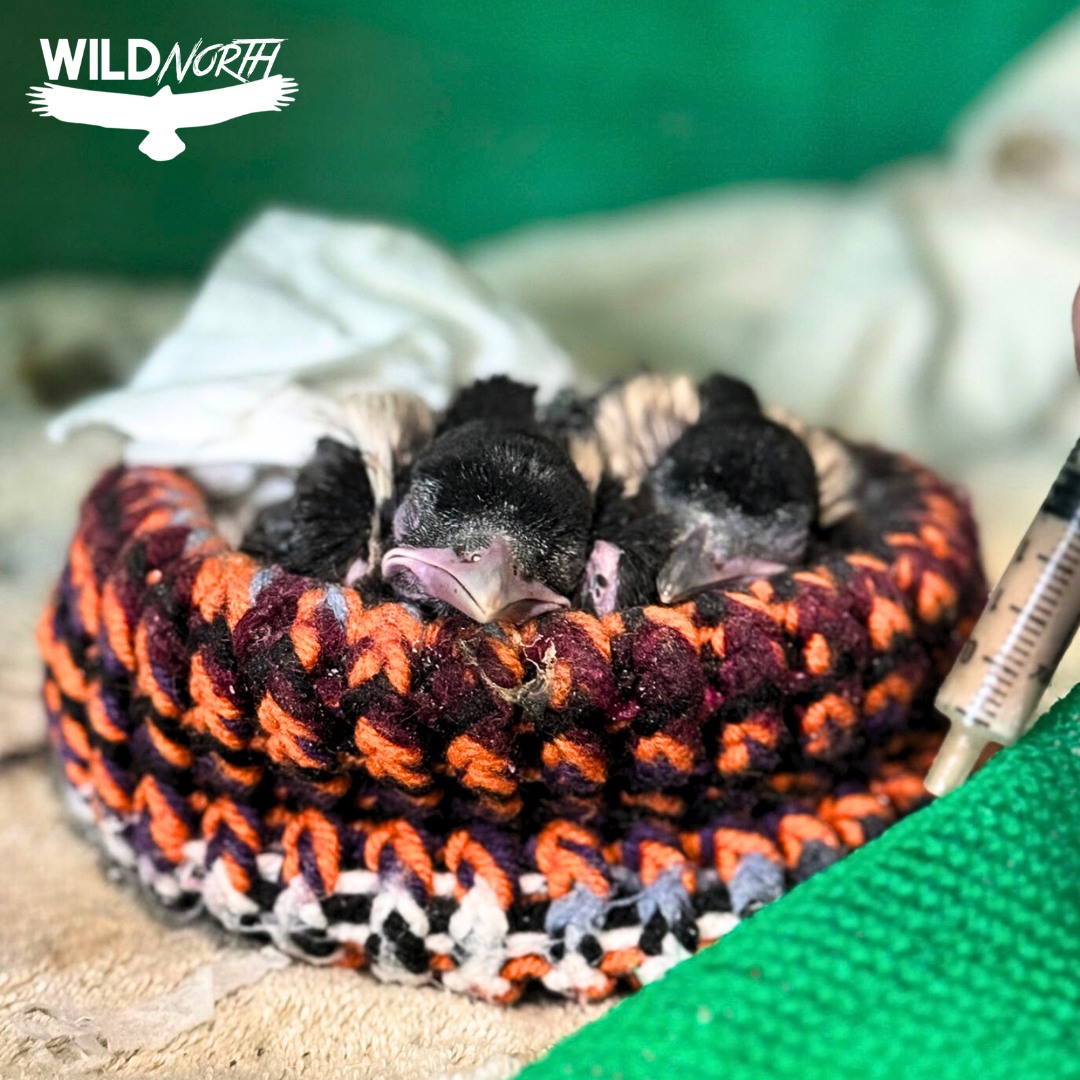
Nestling (approximately 3–14 days)
As hatchlings grow, they enter the nestling stage. Their eyes begin to open, and they develop soft down feathers along with visible “pin feathers” that will eventually become their flight feathers. Nestlings remain in the nest and rely heavily on their parents for warmth and frequent feeding. Many Alberta species, such as the American robin, spend about two weeks in this stage.
Fledgling (around 2–3 weeks and older)
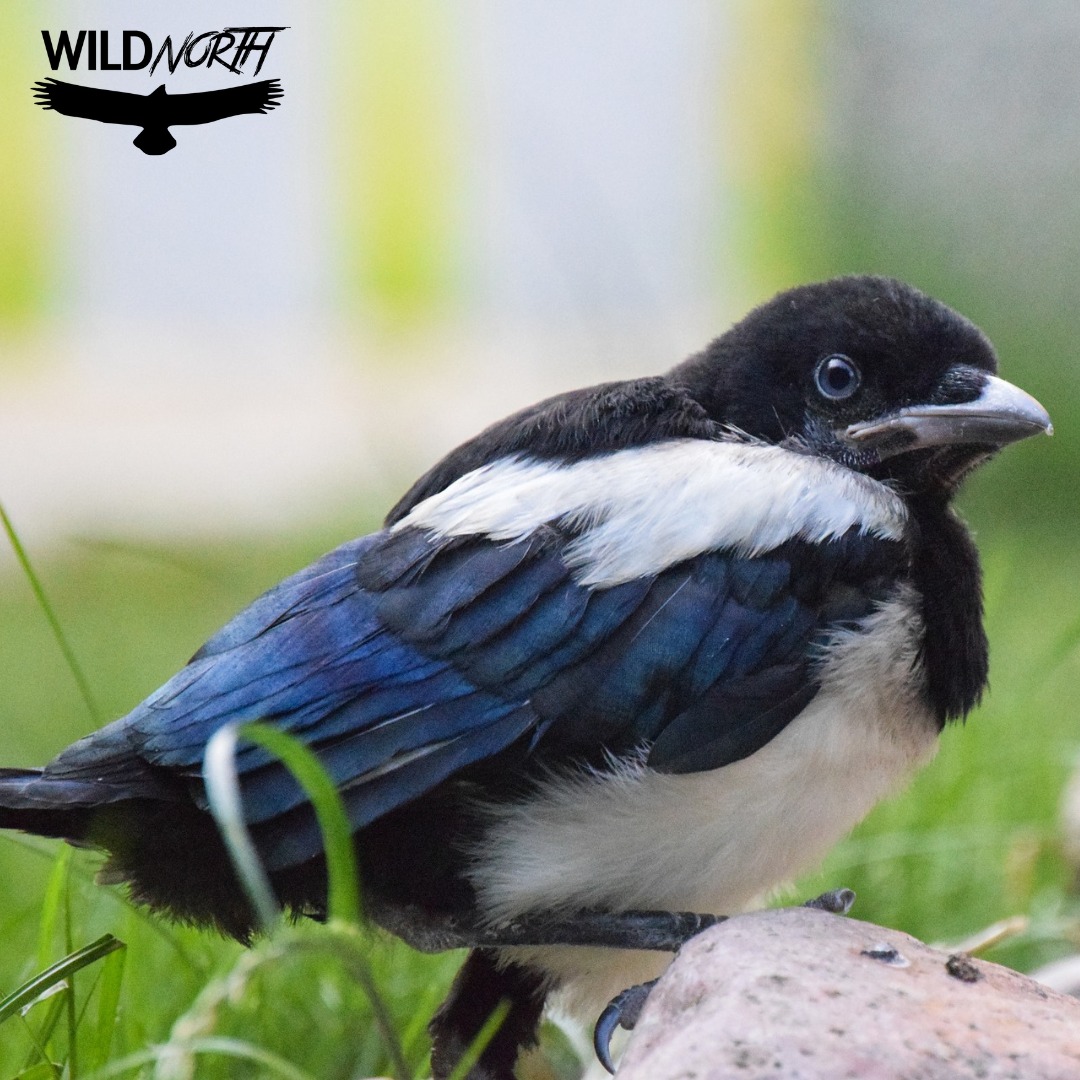
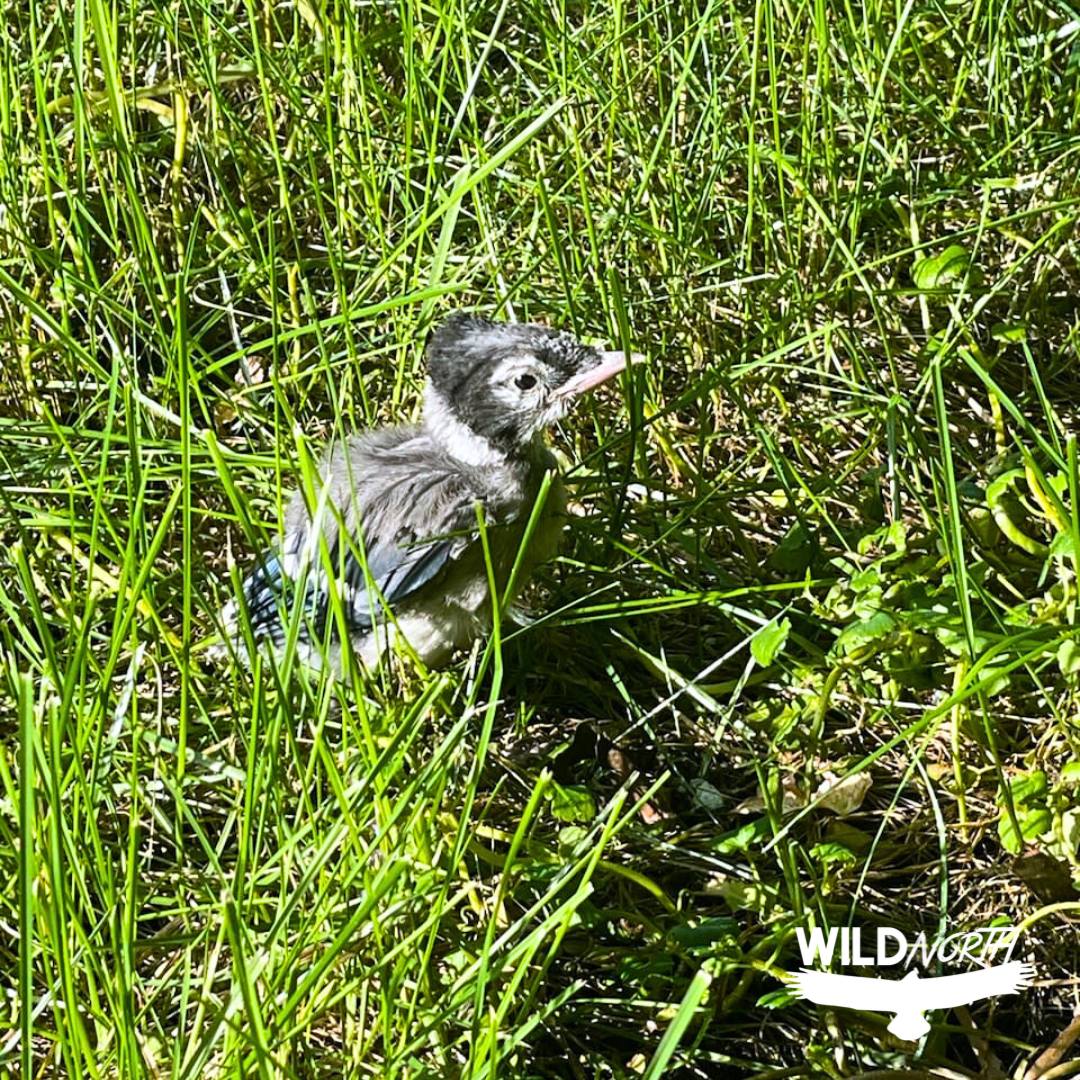
This is often the most misunderstood stage. Fledglings have developed enough feathers and muscle strength to leave the nest, but they are not yet strong fliers. They may hop along the ground, perch on low branches, or make short, awkward flights. This is a critical learning period where they build strength and coordination.
Importantly, fledglings are still under the care of their parents. Adult birds continue to feed and monitor them, even if they aren’t immediately visible. In Alberta backyards and parks, species like the Black-capped chickadee and Blue jay commonly have fledglings exploring the ground during this stage.
Though it is very important to note that not all birds have a grounded fledgling stage and some are able to fly right out of the nest.
Juvenile to Adult
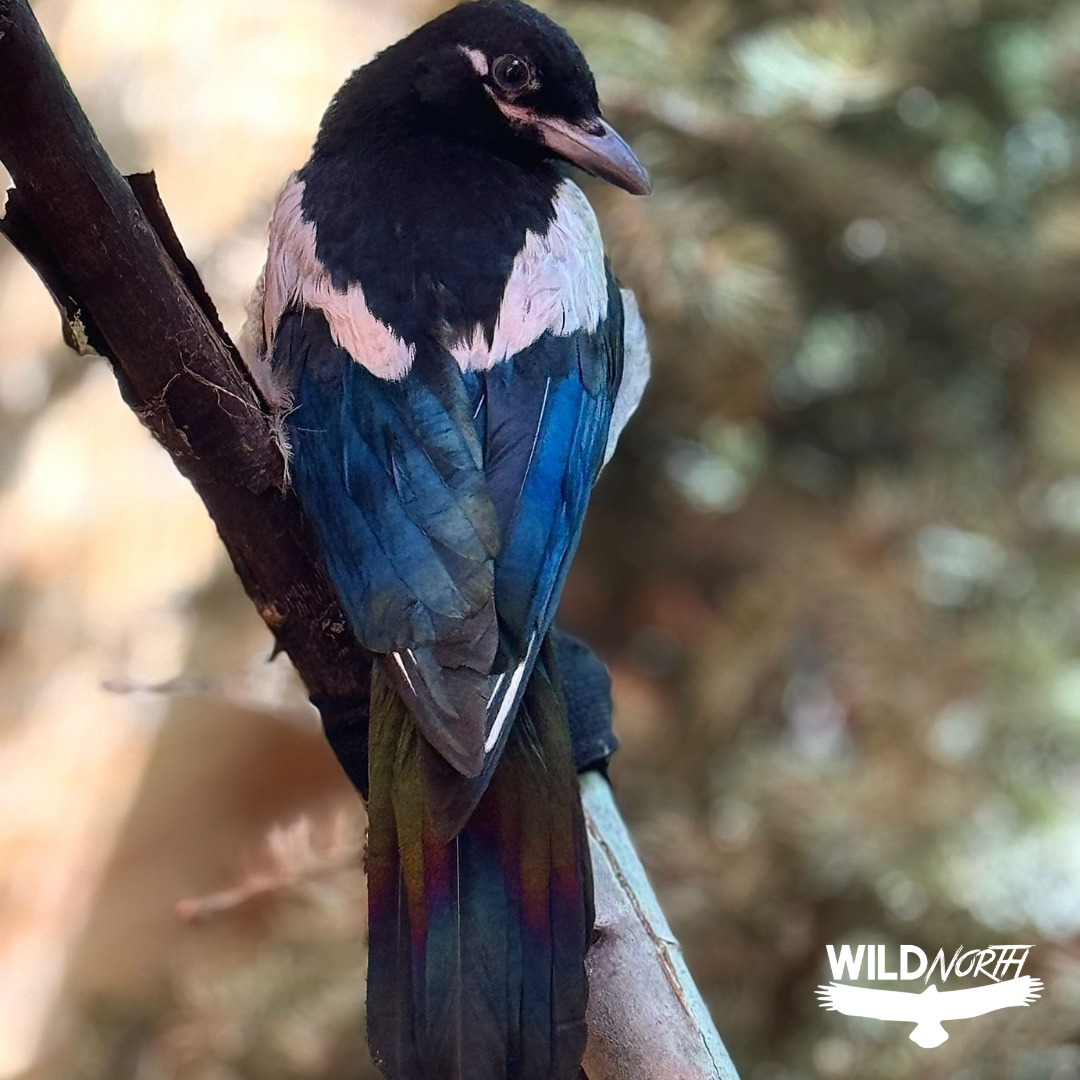
As fledglings mature, they transition into juveniles and eventually adults. At this point, they become fully independent and, later on, sexually mature. Their survival now depends on the skills they developed during those early, vulnerable weeks.
When a Baby Bird Needs Help and When It Doesn’t
One of the most common concerns during Alberta’s baby season is finding a young bird on the ground. While this can be alarming, it’s important to assess the situation carefully. Fledglings often appear clumsy, unsteady, and vulnerable, but this is normal. They are learning to navigate the world outside the nest. Intervening too quickly can actually do more harm than good by separating them from their parents.
If you find a young bird:
- Observe from a distance to see if parents are returning to feed it
- Assess if there are obvious injuries and what developmental stage it is likely at
- Keep pets and people away to avoid stressing the bird or deterring the parents
- Avoid handling unless absolutely necessary
However, there are times when intervention is appropriate. If the bird is not alert, shows obvious injuries, is in immediate danger, or seems much to young (hatchling on the ground) it may need professional care.
Supporting Alberta’s Young Wildlife
Wildlife rehabilitation centres like WILDNorth play a crucial role in giving orphaned and injured birds a second chance. But the public also plays an important part. By understanding bird development and recognizing normal hatchling, nestling and fledgling behaviour, you can help ensure that young birds are given the best chance to grow and thrive in the wild.
If you’re ever unsure, reaching out to a wildlife expert is the best course of action. Sometimes the most helpful thing you can do is simply give nature the space it needs to do its work.