March 24, 2026 | Blog
WILDNorth’s Ongoing Response to Highly Pathogenic Avian Influenza (HPAI)
By Jillian VanKooten
As spring migration approaches, WILDNorth would like to take a moment to address Highly Pathogenic Avian Influenza (HPAI) and how we are preparing for its return alongside migratory birds. Each year, we closely monitor global trends and collaborate with other wildlife rehabilitation centres and research groups to guide our response. Using the most current studies and shared expertise, our team proactively plans to manage and mitigate the impacts of HPAI within our region.
Our Commitment to Wildlife Care
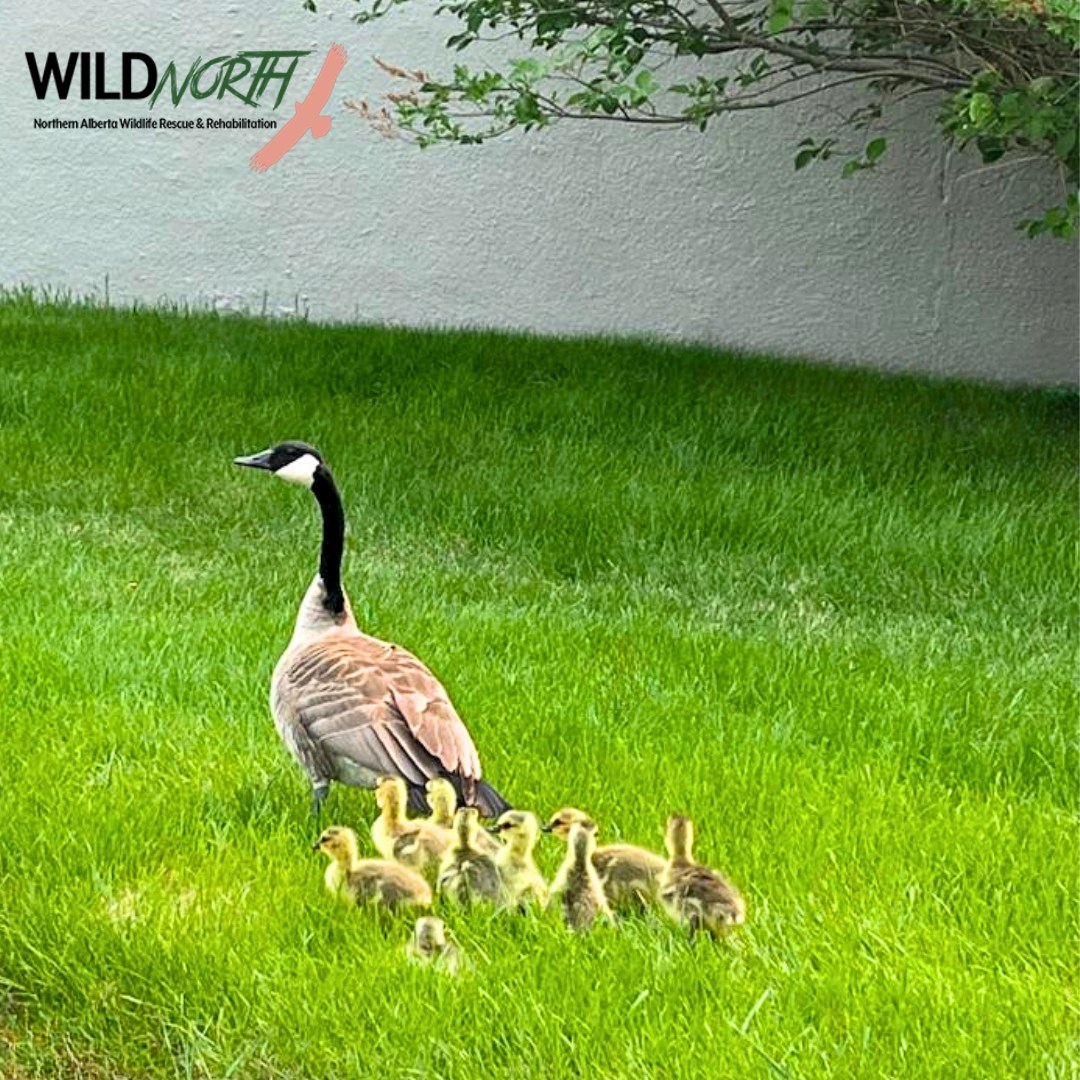
At WILDNorth, we continue to respond to every HPAI rescue that is both necessary and appropriately timed for intervention. Our goal remains the same: to reduce suffering and support the recovery of every patient that comes into our care, while also limiting the spread of disease. Certain species are more commonly impacted by HPAI, particularly waterfowl such as geese and ducks, though cases have also been observed in owls, corvids, mammals and other bird species. To better understand and track the spread of the disease, we work closely with diagnostic and testing facilities.
Highly Pathogenic Avian Influenza (HPAI) is a contagious viral disease that primarily affects birds, especially wild waterfowl such as geese and ducks. These species often act as natural carriers, allowing the virus to spread during migration. “H5N1” is one of the most well-known strains of HPAI. While the virus mainly impacts birds, it can spread quickly through populations and, in rare cases, may pose risks to other animals and humans through direct contact.
Enhanced Safety Measures
To protect both our patients and our team, we have strict biosecurity protocols in place:
-
Dedicated Isolation Ward:
All high-risk symptomatic species are admitted directly into our specialized isolation unit for their initial intake examination, potential humane euthanasia or required quarantine period. This ensures the safety of other patients in our care. -
Full Personal Protective Equipment (PPE):
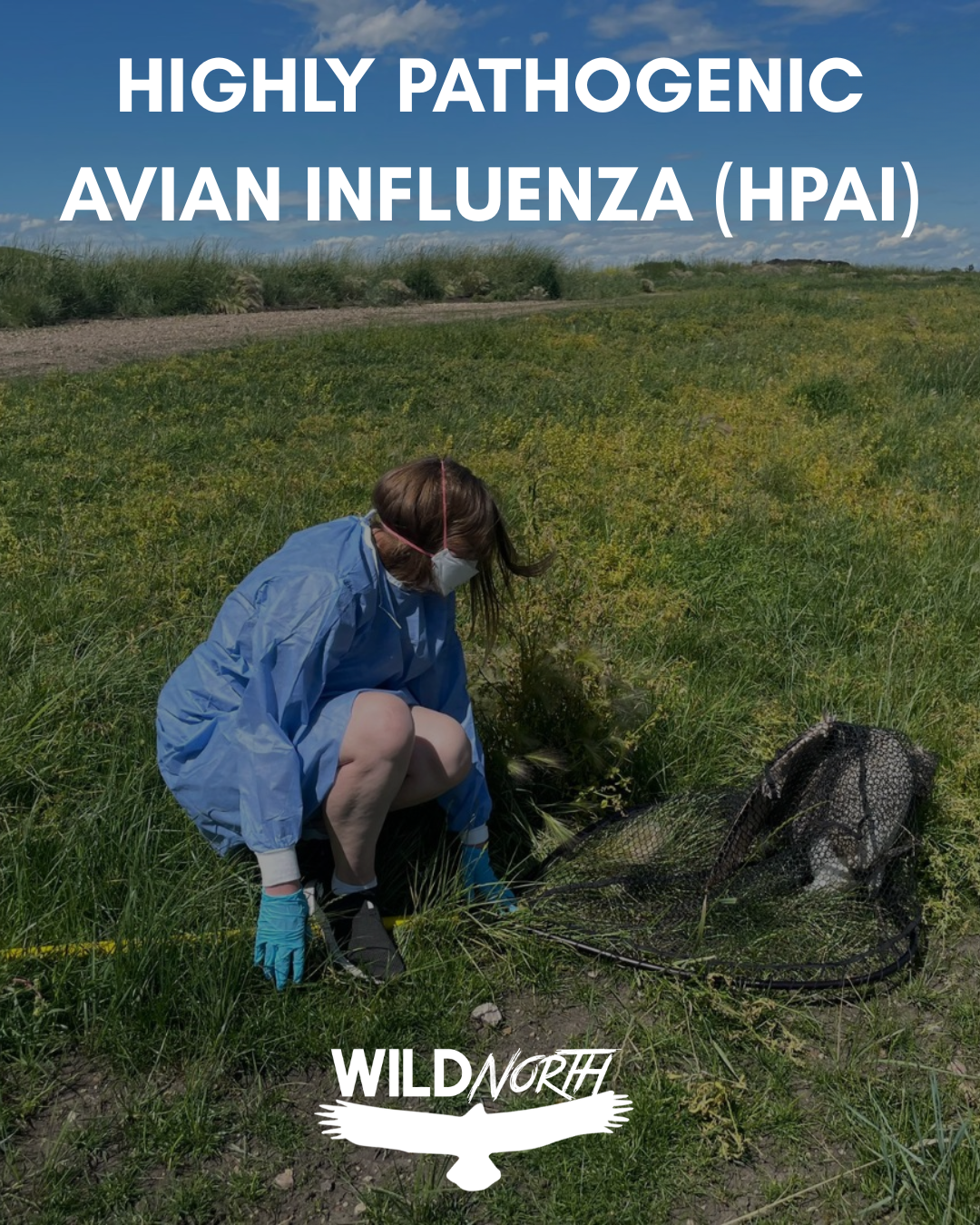
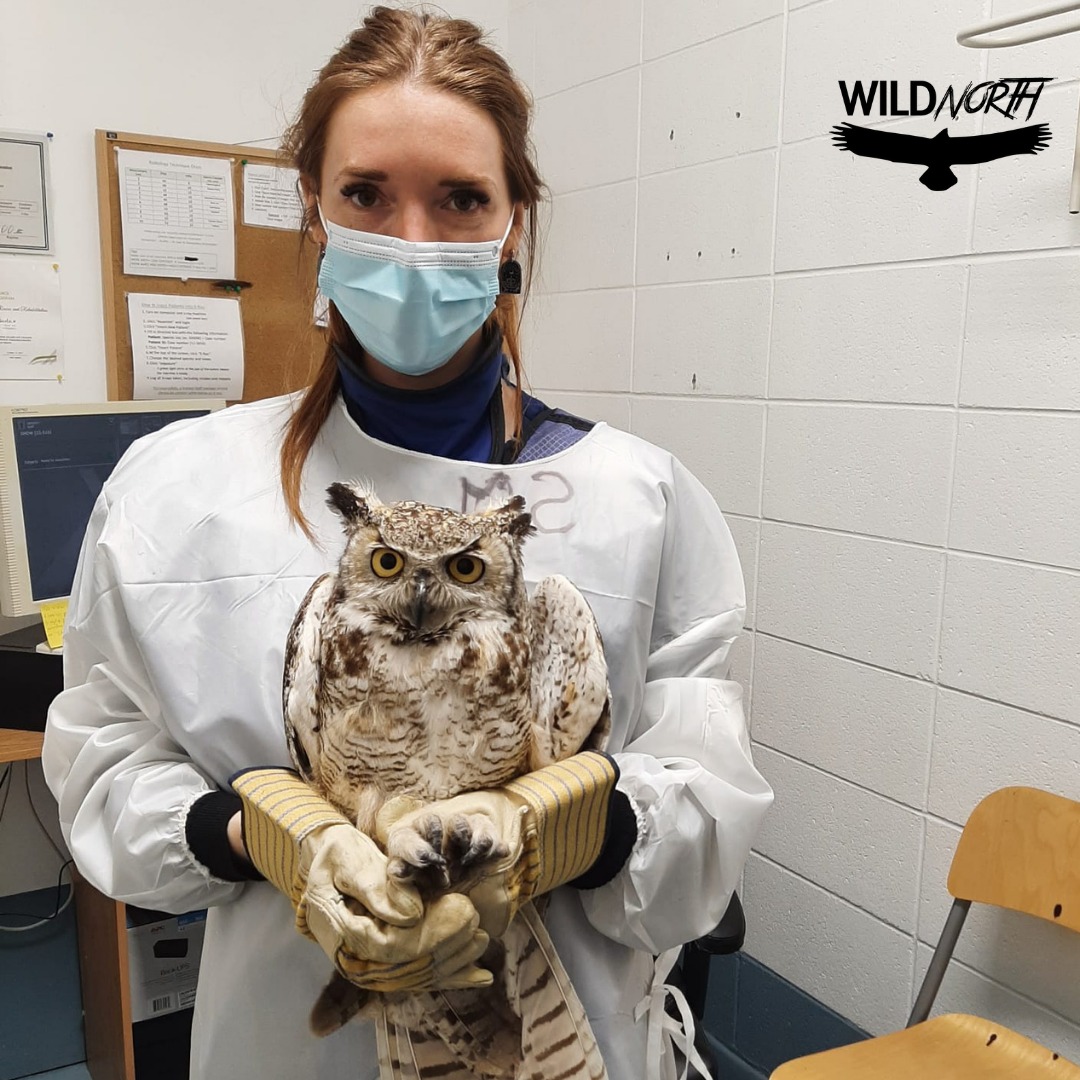
Our medical team wears full PPE when handling, examining, imaging (including x-rays), and treating any species at risk of carrying avian influenza. -
Controlled Intake Procedures:
Animals suspected of carrying HPAI are routed directly to the isolation unit, while lower-risk species are admitted through standard intake pathways. -
Rescue Protocols:
When responding to rescues involving birds showing symptoms consistent with HPAI, our rescue team also wears full PPE. Following each rescue, all equipment is thoroughly sanitized to prevent any potential spread.
These precautions allow us to continue providing essential care while maintaining a safe environment for our staff, volunteers, interns, and the many animals we treat.
What You Need to Know
We strongly advise against attempting to capture birds that may be showing symptoms of avian influenza. This can pose a risk to both your health and the safety of the animal.
Signs/symptoms of HPAI may include:
-
Neurological symptoms (appearing disoriented or “drunk”)
-
Abnormal head or neck movements
-
Inability to fly without visible injury
-
A blue or cloudy film over the eyes
If you encounter a bird in distress, the best thing you can do is keep a safe distance, obtain pictures and videos, remain nearby with eyes on the animal if possible, and contact our wildlife helpline at (780) 914-4118.
Thank You for Your Support
As always, we are doing everything we can to provide compassionate, high-quality care to wildlife in need. Your support plays a vital role in allowing us to continue this work, especially during challenging times like the spring migration season. Thank you for helping us keep both wildlife and our community safe.