August 12, 2026 | Blog
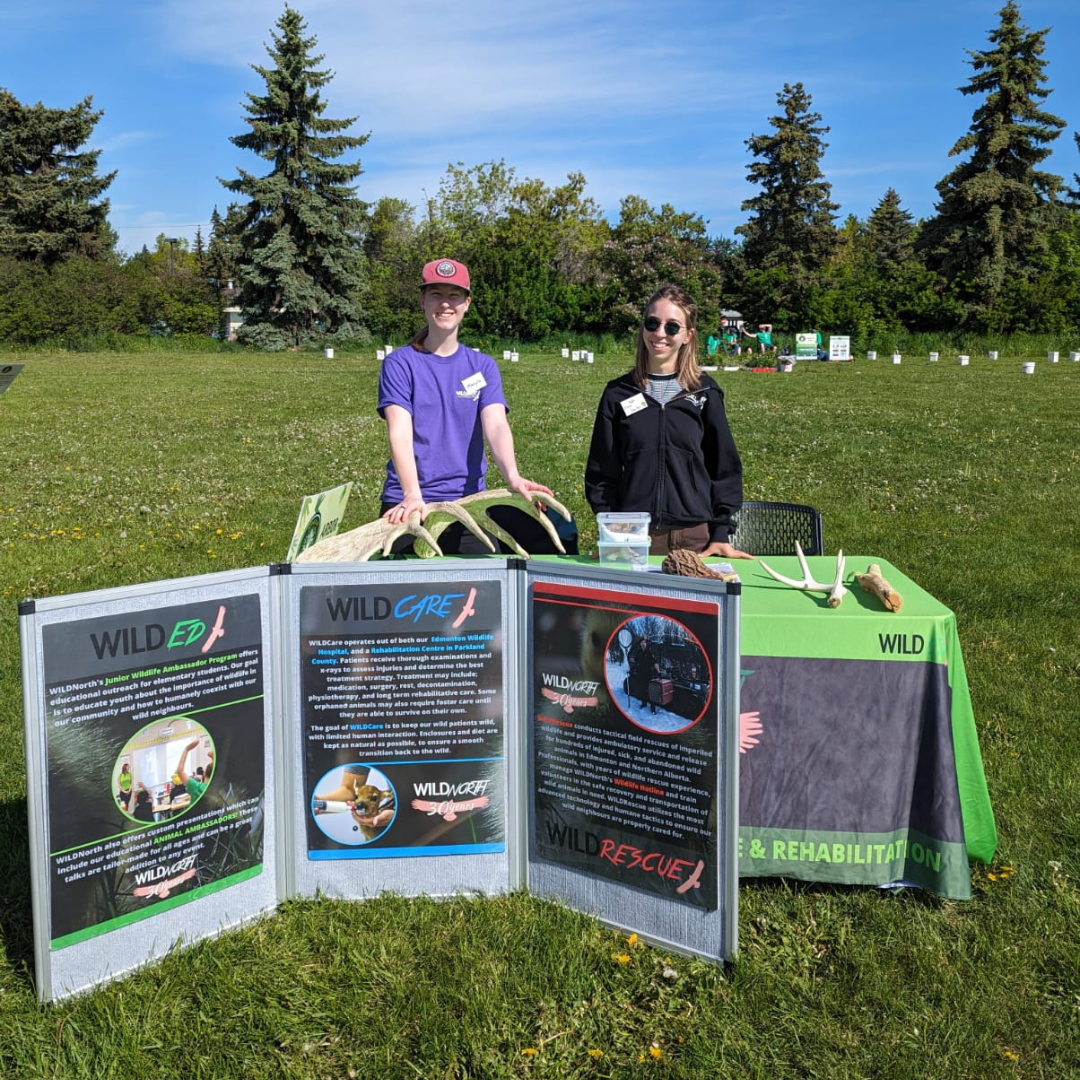
At WILDNorth, we don’t just care for animals, we also want to inspire people to connect with and care for nature. Whether it’s through Wonders of Wildlife presentations, the Junior Wildlife Ambassador Program, outreach booths, EPCOR Wildlife Interaction & My Community, or this blog, our goal is to make learning about wildlife engaging and accessible.
But there are so many more ways to explore nature, especially with family! Participating in citizen science or bioblitzes is a fantastic way to have fun outdoors while contributing to real scientific research.
What Is Citizen Science?
Citizen science is scientific research that involves the public in collecting, analyzing, or contributing data. The term was coined independently by Rick Bonney and Alan Irwin in the mid-1990s:
- Bonney focused on projects where volunteers contribute scientific data.
- Irwin emphasized making science more accessible and community driven.
Some citizen science projects are highly collaborative, while others simply ask participants to collect or sort data. These efforts have led to published research, with rigorous methods ensuring the reliability of the data.
Example: The Franklin’s Ground Squirrel Project
This ongoing project uses citizen science to map historical and current habitats of the Franklin’s ground squirrel, a species once common in central Alberta but now in decline. By outlining its habitat, we can finally list them as protected species. Visit their website (in partnership with Nature Alberta) to get involved!
What Is a BioBlitz?
A bioblitz is a short-term, often casual event where participants collect as much data as possible about living organisms in a specific area. While similar to citizen science, bioblitzes are typically time-bound and can be organized by anyone, from individuals to conservation groups.
For example, the 2025 Cypress Hills BioBlitz in Alberta was a collaboration between biologists, naturalist societies, and conservation organizations. These events gather general data or answer specific research questions. You can read their report here.
Even though bioblitzes are informal, they provide valuable data that contributes to broader scientific studies. The Canadian Wildlife Federation offers resources for anyone interested in organizing their own bioblitz!
Where to Begin?
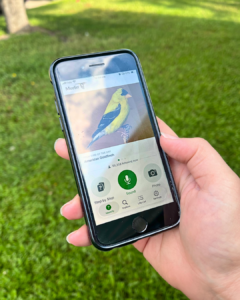
Joining an event or project is exciting, but the best way to start is by downloading an app and taking a walk! Here are some great options:
- iNaturalist: Identify and log plants and animals.
- Merlin Bird ID: Focuses on birds, even identifying them by their calls.
- Zooniverse: A platform for a wide range of citizen science projects.
- Anecdata.org: Another tool for recording and sharing wildlife observations.
If you’re eager to dive into events and social spaces, check out the Edmonton Nature Club, which hosts annual gatherings and more!